Blog
Holi’s Spiritual Essence and the Meaningful Rituals of Holika Dahan


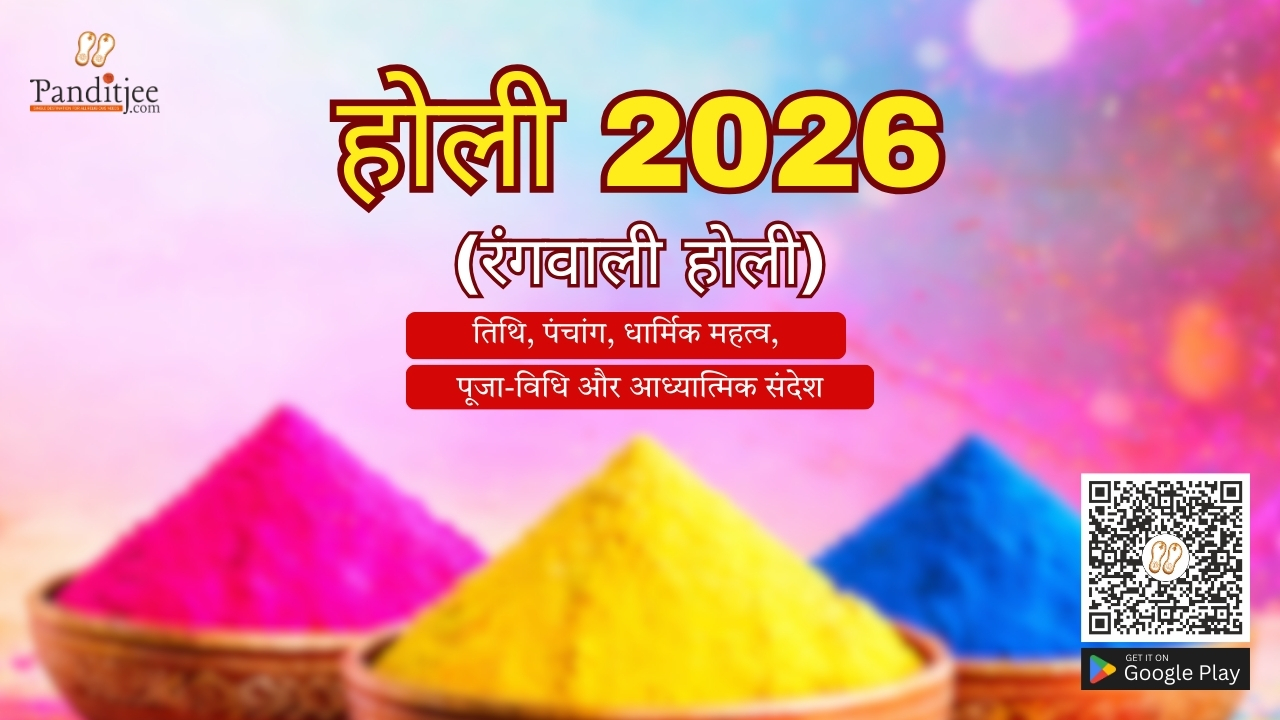
Holi, one of the most vibrant festivals celebrated in India, is a profoundly spiritual occasion that that holds great culturual significance. Among its many rituals, Holika Dahan holds special significance as it symbolizes the triumph of righteousness, rooted in Hindu mythology. This year, as the festival approaches, let’s explore the rich traditions and the powerful symbolism of Holika Dahan Puja, including the lesser-known but meaningful “Thandi Holi” puja performed by married women, which brings blessings of prosperity, protection, and good health for families.
Religious Significance and Mythology
Holi is not merely a festival of colors; it is an important religious observance with deep mythological roots. According to Hindu scriptures, the legend of Holika and Prahlad serves as the foundation for this celebration. Hiranyakashipu, a demon king, sought to kill his devout son, Prahlad, who was a staunch devotee of Lord Vishnu. Hiranyakashipu’s sister, Holika, was granted a boon that made her immune to fire. With this arrogance, she attempted to burn Prahlad by sitting with him in a pyre. However, due to Lord Vishnu’s divine intervention, Prahlad remained unharmed while Holika perished in the flames.
This event is commemorated through Holika Dahan, which signifies the triumph of righteousness over wickedness. As part of the pre-Holi traditions, women perform “Thandi Holi” puja to seek divine blessings for their families, ensuring protection from negative energies and promoting well-being.
Additionally, this ritual is believed to be associated with Mata Sheetala, a revered goddess known for safeguarding families from diseases and infections, especially during seasonal transitions. In many regions, Thandi Holi Puja is considered a preventive measure against the spread of infectious diseases, particularly as summer approaches.
Puja Rituals and Procedure
The Holika Dahan Puja follows a structured and traditional approach, observed with sincerity and devotion. The key steps involved in the ritual are:
Purification and Preparation: Women take a ritual bath and wear clean, traditional attire before proceeding to the Holika site with puja essentials.
Offering Water: The ritual begins by sprinkling water on Holika, symbolizing purification and reverence.
Sacred Offerings: Women offer roli (red vermillion), rice, turmeric, flowers, and garlands made of cow dung cakes (Gulri Mala) to Holika.
Wrapping Sacred Thread: A raw cotton thread (sacred sutra) is circumambulated around Holika as an offering of protection and blessings.
Symbolic Offerings of Prosperity: Women offer coconut, jaggery, roasted chana (gram), and wheat ears to Holika. The wheat ears, once slightly roasted in the fire, are later brought home and considered auspicious for wealth and abundance.
Circumambulation and Lighting the Lamp: Women perform parikrama (circumambulation) around Holika while lighting a diya (lamp) and praying for their family’s happiness and security.
Completion of the Puja: The ceremony concludes with the distribution of prasad (sacred food offering) among family members and the community.
The Holika Dahan Puja and the associated Thandi Holi ritual reflect the deep-rooted spiritual and cultural ethos of Indian traditions. It is not just an act of religious observance but a symbol of faith, protection, and prosperity. The belief that performing this ritual with sincerity ensures family well-being, protection from evil forces, and good health continues to be a significant aspect of Holi celebrations across generations.