Blog
Amalaki Ekadashi 2025 Celebrations in Kashi and the Significance of the Amla Tree

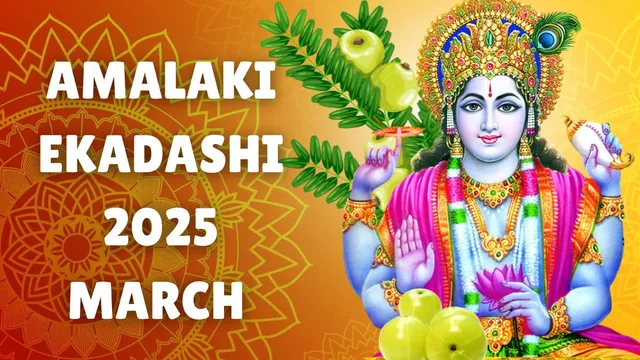
Amalaki Ekadashi, also known as Rangbhari Ekadashi, is a revered Hindu festival that falls on the Shukla Paksha Ekadashi of the Phalguna month. This year, it will be observed on March 10, 2025, with the Ekadashi Tithi beginning on March 9 at 7:45 AM and concluding on March 10 at 7:44 AM. The day is dedicated to worshipping Lord Vishnu and the sacred Amla (Indian Gooseberry) tree, which holds profound spiritual and religious significance in Hinduism.
Significance of Amalaki Ekadashi
According to the Padma Purana, fasting on Amalaki Ekadashi is believed to bestow immense spiritual merit, equivalent to performing thousands of Ashwamedha Yagnas (horse sacrifices) and going on extensive pilgrimages. The sacred Amla tree, considered divine, is central to this festival. It is said that different parts of the Amla tree are the abodes of various deities:
– Lord Vishnu resides at the roots
– Lord Shiva dwells in the trunk
– Sages reside in the branches
– Celestial beings are present in the twigs
– The Vasus are believed to be in the leaves
– Prajapatis reside in the fruits
–
Worshipping the Amla tree on this day is believed to invoke the blessings of all these deities, particularly Lord Vishnu, and is a means to remove past sins and attain moksha (liberation). Observing the Amalaki Ekadashi fast is associated with prosperity, good health, and spiritual enlightenment. Devotees often chant hymns, perform devotional songs, and engage in charity to further amplify the spiritual benefits.
Rituals and Worship on Amalaki Ekadashi
The rituals for Amalaki Ekadashi are rich in tradition and hold deep significance for devotees:
Purification and Preparation: Devotees begin their day with a sacred bath, cleansing their homes and prayer spaces. A statue or image of Lord Vishnu is placed in the puja area for worship.
Offerings to Lord Vishnu: Devotees offer yellow flowers, sandalwood paste, Tulsi leaves, and yellow garments to Lord Vishnu.
Panchamrit Abhishek: The deity is bathed with Panchamrit (a mixture of milk, curd, honey, ghee, and sugar). Then, Amla fruit is offered as bhog (sacred food).
Worship of the Amla Tree: If possible, devotees visit an Amla tree, where they perform a dedicated puja. The tree is decorated with rangoli, and a kalash (sacred pot) filled with water is placed near its base. Sandalwood paste is applied to the kalash, and a ghee lamp is lit on top.
Circumambulation and Mantra Chanting: Devotees walk around the Amla tree (performing parikrama) while chanting Lord Vishnu’s hymns and prayers.
Night Vigil and Devotional Practices: Devotees often engage in Vishnu kirtans (devotional songs) and listen to Amalaki Ekadashi Katha (spiritual storytelling) throughout the night.
Observing the Fast: Devotees observe a strict fast, consuming only fruits and water if necessary, dedicating their time to spiritual practices.
Rangbhari Ekadashi and Holi Traditions in Kashi
In Varanasi (Kashi), Rangbhari Ekadashi holds unique significance, as it marks the beginning of Holi celebrations. According to legend, Lord Shiva married Goddess Parvati on Mahashivratri, and on Rangbhari Ekadashi, he brought her to Kashi (Varanasi) as his consort. This day is celebrated as Griha Pravesh (homecoming) of Goddess Parvati to Kashi.
In Kashi, the devotees celebrate with enthusiasm, adorning Lord Vishwanath (Shiva) with flowers, gulal (colored powder), and participating in lively festivities. The belief is that Lord Shiva himself joins in the Holi celebrations with his devotees, making the occasion joyful and filled with divine connection.
Amalaki Ekadashi is a deeply spiritual day that combines devotion, mythology, and cultural traditions. By observing the fast and performing the rituals with faith, devotees seek the divine blessings of Lord Vishnu, resulting in prosperity, good health, and spiritual progress. In Kashi, the observance of Rangbhari Ekadashi enriches the festival, bringing in the joy of Holi while maintaining its profound religious essence. Devotees who observe the fast with sincerity are believed to attain divine protection, well-being, and ultimately, moksha (liberation).