Blog
Sheetala Ashtami 2025: Date, Muhurat, and Significance

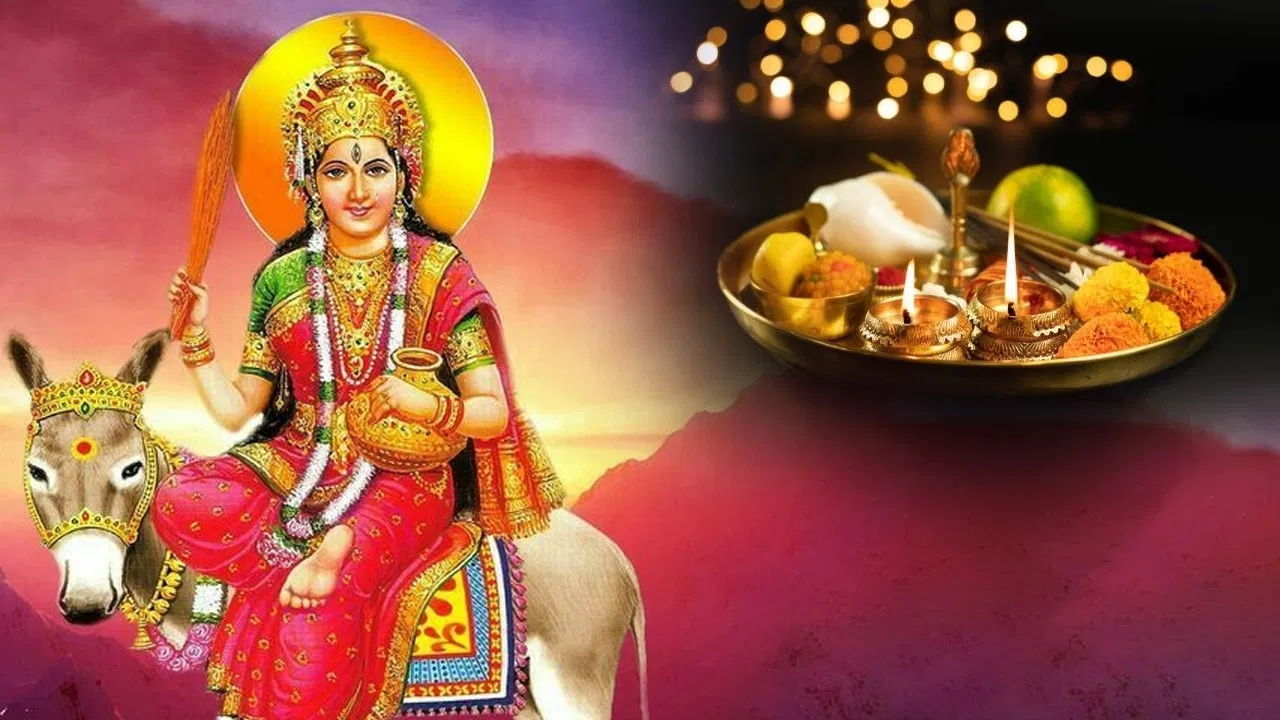
Sheetala Ashtami, also known as Basoda, is an important Hindu festival observed on the Ashtami Tithi of Krishna Paksha in the Chaitra month. Dedicated to Mata Sheetala, this day is marked by special prayers and the offering of stale food (such as sweet rice, halwa, and puris) as a part of the ritualistic traditions.
It is believed that observing Sheetala Ashtami Vrat brings relief from diseases, prosperity, and peace. This vrat is particularly beneficial for health, child well-being, and financial stability. Devotees perform this ritual with deep devotion to invoke the blessings of Mata Sheetala, who is revered as the goddess of health and hygiene.
Sheetala Ashtami 2025: Date and Muhurat
For the year 2025, Sheetala Ashtami falls on March 22.
- Ashtami Tithi Begins: March 22, 2025, at 4:23 AM
- Ashtami Tithi Ends: March 23, 2025, at 5:23 AM
- Auspicious Puja Muhurat: March 22, 2025, from 6:16 AM to 6:26 PM
Significance of Sheetala Ashtami
Sheetala Ashtami holds immense religious and spiritual importance in Hinduism. Mata Sheetala is revered as the goddess who protects against infectious diseases, especially smallpox and chickenpox. This festival is widely observed in North India, especially in Uttar Pradesh, Rajasthan, Madhya Pradesh, Haryana, and Gujarat.
The vrat is believed to promote physical and mental well-being while fostering harmony within families. The tradition of offering previous night’s food symbolizes austerity and gratitude, and it is believed to bring peace, prosperity, and a disease-free life.
Rituals and Worship Procedure for Sheetala Ashtami
1. Purification Ritual: Devotees take a sacred bath in the Brahma Muhurat and wear clean clothes.
2. Vrat Sankalp: The observer takes a vow (sankalp) to keep the fast with devotion.
3. Puja Setup: The idol or image of Mata Sheetala is placed at the worship site, and offerings such as roli (vermilion), turmeric, rice, barakula mala (a sacred garland), and mehendi are presented.
4. Offering of Sacred Food: Stale food (cooked a night before), including sweet rice, puris, and halwa, is offered to Mata Sheetala.
5. Recitation of Vrat Katha: Devotees read or listen to the Sheetala Ashtami Vrat Katha and Sheetala Stotra for divine blessings.
6. Aarti: The puja concludes with an aarti, and after offering prasad, devotees break their fast by consuming the sanctified meal.
The information provided here is based on traditional beliefs, astrology, and religious texts. While every effort has been made to ensure accuracy, readers are advised to consult local priests, astrologers, or religious authorities for precise guidance on puja timings and rituals.