Blog
Significance of Amalaki Ekadashi; Spiritual benefits of sacred ‘Vrat Katha’

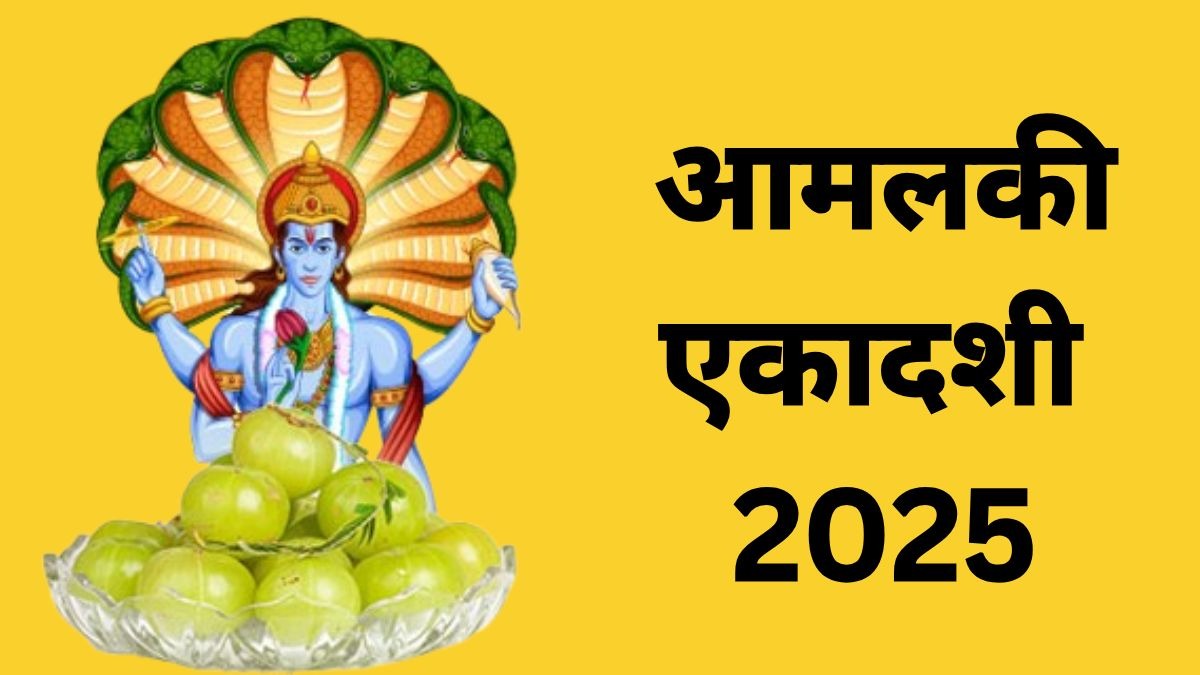
Amalaki Ekadashi, also known as Amla Ekadashi, is one of the most significant Ekadashi observances in Hinduism, dedicated to Lord Vishnu. It falls on the Shukla Paksha Ekadashi of the Phalguna month and is considered highly auspicious for seeking divine blessings. Observing this sacred fast is believed to bring liberation from sins, spiritual growth, and relief from physical ailments, making it an important day for devotees across the globe.
In 2025, Amalaki Ekadashi will be observed on March 10, coinciding with three highly auspicious celestial alignments—Shobhan Yoga, Sarvartha Siddhi Yoga, and Pushya Nakshatra. According to Hindu beliefs, on this sacred day, Lord Vishnu resides within the Amla (Indian Gooseberry) tree. As a result, devotees offer prayers to both Lord Vishnu and the Amla tree, believing it brings peace, prosperity, and spiritual purification. The recitation of the Amalaki Ekadashi Vrat Katha on this day is considered especially meritorious, leading to mental peace and divine grace.
The Legend of Amalaki Ekadashi (Vrat Katha)
The significance of observing Amalaki Ekadashi Vrat is deeply rooted in Hindu mythology. According to the Padma Purana, observing this fast fulfills all desires and grants divine protection. The following legend is associated with this sacred Ekadashi:
In ancient times, there was a prosperous city named Vaidika, ruled by King Chaitraratha, a noble monarch from the Chandravanshi (Lunar) dynasty. The people of his kingdom were devout followers of Lord Vishnu and faithfully observed the Ekadashi fast with utmost devotion.
One year, during the Shukla Paksha Ekadashi of the Phalguna month, the entire kingdom engaged in fasting, prayers, and a night-long vigil (jagran) in devotion to Lord Vishnu. A hunter, passing through the city, was deeply moved by the devotion and spiritual atmosphere. Intrigued by the sight, he decided to stay and listen to the recitation of the Ekadashi Vrat Katha throughout the night. Though the hunter was unaware of the significance of the fast, he unknowingly participated in the observance.
A few days later, the hunter passed away. Due to his past sinful deeds, he was destined to suffer in hell. However, the merits of hearing the Amalaki Ekadashi Katha and staying awake in devotion to Lord Vishnu granted him divine redemption. Instead of facing eternal suffering, the hunter was reborn as King Vasurath, a noble and virtuous ruler.
The Miracle of Amalaki Ekadashi
As King Vasurath was traveling through a forest one day, he lost his way and decided to rest beneath a tree. While he was asleep, a group of bandits attacked him, attempting to harm him. Miraculously, no weapon could harm the king, and his body remained untouched by the attackers.
Upon awakening, the king was astounded to find the bandits lying dead on the ground. A divine voice (akashvani) then proclaimed:
“O King, Lord Vishnu has protected your life! The blessings you received from observing Amalaki Ekadashi in your past life have safeguarded you today.”
From that moment on, King Vasurath realized the immense power of Amalaki Ekadashi and continued to observe the vrat with deep faith and devotion.
Spiritual Significance of Amalaki Ekadashi
The Amalaki Ekadashi fast and its associated rituals are believed to:
– Remove past sins and grant spiritual purification.
– Ensure divine protection and longevity.
– Bless devotees with prosperity, peace, and well-being.
– Grant liberation (moksha) and freedom from the cycle of rebirth.
–
By observing the Amalaki Ekadashi fast, worshiping Lord Vishnu, and reciting the sacred Vrat Katha with sincerity, devotees can invite immense spiritual merit and divine blessings. This observance is considered one of the most revered Ekadashis in Hindu tradition, and it is believed to lead to lasting prosperity and ultimate spiritual enlightenment.
Amalaki Ekadashi is a profound spiritual occasion that blends devotion, mythology, and cultural significance. The fast, rituals, and prayers associated with this day are believed to purify the soul, grant divine blessings, and pave the way for spiritual growth. As devotees come together to observe the fast, recite the Vrat Katha, and seek blessings from Lord Vishnu, they believe that this sacred occasion will bring them closer to the path of moksha (liberation) and ensure a life of peace, prosperity, and good health.