
Blog
Govardhan Puja 2026: Date, Auspicious Timings, Puja Rituals and Religious Significance

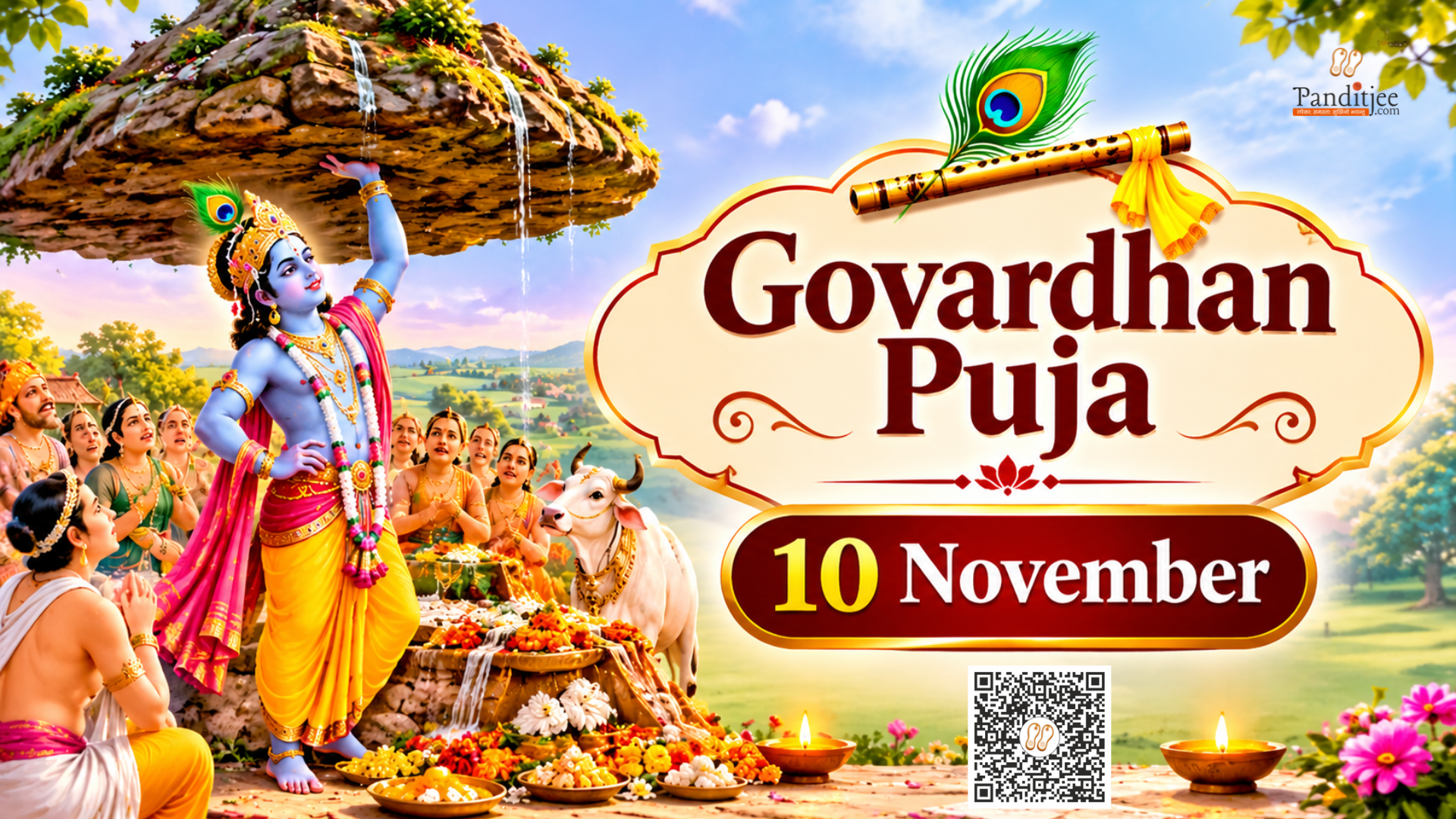
Govardhan Puja is an important Hindu festival celebrated on the day after Diwali. The festival is dedicated to Lord Krishna, Govardhan Hill, and Gau Mata (the sacred cow). Also known as Annakut, the occasion is marked by traditional worship, the preparation of special food offerings, and prayers for prosperity and well-being.
In 2026, Govardhan Puja will be observed on November 10, Tuesday. Devotees will perform rituals and offer Annakut bhog to Lord Krishna. Here is everything you need to know about Govardhan Puja 2026, including its date, auspicious timings, puja vidhi, and religious significance.
Govardhan Puja 2026 Date
According to the Hindu calendar, Govardhan Puja is celebrated on Pratipada Tithi of the Shukla Paksha in the month of Kartik.
In 2026, Pratipada Tithi will begin on November 9 at 12:31 PM and end on November 10 at 2:00 PM. Based on the Udaya Tithi, Govardhan Puja will be celebrated on November 10, 2026.
On this day, devotees worship Lord Krishna, Govardhan Hill, and cows. Annakut celebrations are also organized in temples and homes.
Govardhan Puja 2026 Shubh Muhurat
The morning period is considered auspicious for performing Govardhan Puja. According to the Panchang for New Delhi, the timings are as follows:
- Govardhan Puja Date: November 10, 2026, Tuesday
- Pratipada Tithi Begins: November 9, 12:31 PM
- Pratipada Tithi Ends: November 10, 2:00 PM
- Morning Puja Muhurat: 6:40 AM to 8:50 AM
- Abhijit Muhurat: 11:43 AM to 12:26 PM
- Godhuli Muhurat: 5:30 PM to 5:56 PM
The morning puja muhurat will last for 2 hours and 10 minutes. These timings are based on the New Delhi Panchang and may vary depending on the location.
Govardhan Puja Vidhi: Rituals to Follow
Devotees perform Govardhan Puja according to traditional Hindu customs. The following steps can be followed during the worship:
- Wake up early, take a bath, and wear clean clothes.
- Clean the puja area and prepare a symbolic Govardhan Hill using cow dung.
- Place an idol or picture of Lord Krishna near the Govardhan Hill representation.
- Offer flowers, roli, rice grains, incense sticks, and a lit diya.
- Prepare Annakut and other sattvik food items and offer them to Lord Krishna.
- Worship Gau Mata and offer green fodder or jaggery.
- Perform the aarti of Lord Krishna and pray for happiness, peace, and prosperity.
The rituals may differ across regions and families. Devotees can follow their traditional practices and local Panchang.
Religious Significance of Govardhan Puja
Govardhan Puja is associated with the legendary story of Lord Krishna and Govardhan Hill.
According to Hindu mythology, the people of Braj used to worship Lord Indra, the deity of rain, for good rainfall and prosperity. Lord Krishna encouraged them to worship Govardhan Hill and nature, which supported their livelihood.
Following Krishna’s advice, the residents of Braj performed Govardhan Puja. This angered Lord Indra, who sent heavy rainfall to the region. To protect the people and their cattle, Lord Krishna lifted Govardhan Hill on his little finger and provided shelter to everyone.
The rainfall continued for seven days. Eventually, Lord Indra realized his mistake and sought forgiveness from Lord Krishna.
This divine episode symbolizes the protection of devotees, respect for nature, the importance of community, and the divine grace of Lord Krishna.
Annakut Celebration on Govardhan Puja
Annakut, meaning a mountain of food, is an important tradition associated with Govardhan Puja. On this occasion, devotees prepare a variety of food items, including vegetables, sweets, and traditional dishes, and offer them to Lord Krishna.
After the offerings are made, the food is distributed among devotees as prasad. The Annakut tradition reflects gratitude towards food, nature, and the divine.
Many temples organize special Annakut celebrations, where numerous dishes are offered to the deity as part of the festival.
Govardhan Puja is a significant Hindu festival that celebrates the devotion of Lord Krishna and emphasizes the importance of nature, cattle, and community welfare. Devotees observe the festival with traditional rituals, Annakut offerings, and prayers for prosperity and happiness.
For more information on Hindu festivals, puja rituals, and religious traditions, visit Panditjee.com. You can also explore the platform for puja-related services and connect with experienced pandits for your religious ceremonies.
