Blog
Holi 2026 (Rangwali Holi): Date, Significance, Rituals, Cultural Meaning and Spiritual Message

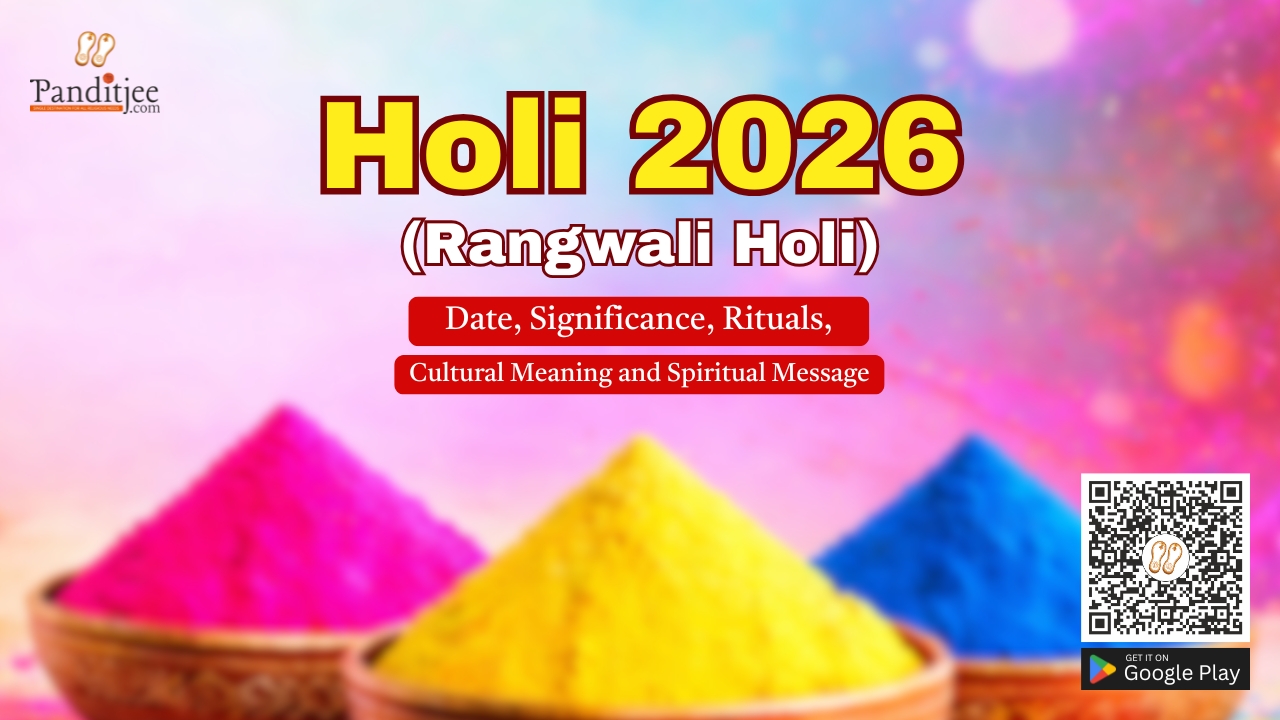
Holi 2026, popularly known as Rangwali Holi, will be celebrated on Wednesday, 4 March 2026, on the Krishna Pratipada of the Chaitra month. Holi is one of the most joyful and widely celebrated festivals in India, symbolizing love, harmony, equality, and the victory of good over evil. While Holika Dahan marks the spiritual cleansing of negativity, Rangwali Holi represents the celebration of renewed life, joy, and togetherness.
Holi transcends religious boundaries and social divisions. On this day, colors dissolve differences, hearts open to forgiveness, and society experiences a rare sense of unity and joy.
Religious and Spiritual Significance of Holi
Holi is deeply rooted in Hindu philosophy and devotion. Spiritually, it signifies the renewal of life after purification. After the burning of ego and negativity in Holika Dahan, Rangwali Holi allows devotees to celebrate with purity of heart and happiness.
The festival is associated with:
- Lord Krishna and Radha – divine love and joy
- Bhakti (devotion) – surrender to divine play
- Samta (equality) – removal of social barriers
In Vaishnav traditions, Holi symbolizes divine bliss, where playing with colors becomes an expression of devotion rather than mere celebration.
Mythological Background of Holi
Several legends are connected with Holi, each adding depth to its spiritual meaning:
Krishna and Radha Leela
One of the most popular associations of Holi is with Lord Krishna, who playfully applied colors on Radha and the Gopis in Vrindavan. This divine play represents love beyond ego and social norms. Even today, Holi celebrations in Braj region reflect this sacred tradition.
Prahlad and Holika
The victory of Prahlad’s devotion over Holika’s evil intentions forms the moral foundation of Holi. Rangwali Holi celebrates the joy that follows divine justice and protection.
Rituals and Traditions of Rangwali Holi
Rangwali Holi is celebrated with vibrant colors, music, sweets, and social harmony. The day begins with prayers and remembrance of divine grace.
Common rituals include:
- Applying gulal (natural colors)
- Singing Holi songs and bhajans
- Visiting friends and relatives
- Sharing sweets like gujiya, malpua, and thandai
In many households, elders apply tilak and bless younger family members, symbolizing love and unity.
In temples, especially in Mathura and Vrindavan, Holi is celebrated with devotional fervor through kirtans, flower showers, and spiritual gatherings.
Social and Cultural Importance of Holi
Holi plays a powerful role in strengthening social bonds. It is a festival where:
- Old grudges are forgiven
- Relationships are renewed
- Social distinctions dissolve
People embrace each other, greet with warmth, and celebrate collective happiness. Holi encourages openness, joy, and compassion, making it socially transformative.
Spiritual Meaning of Colors
Each color used in Holi carries symbolic meaning:
- Red – love and energy
- Yellow – knowledge and purity
- Green – growth and harmony
- Blue – divinity and calmness
Spiritually, playing with colors signifies filling life with positivity and divine joy after removing inner darkness.
Health and Seasonal Perspective
Traditionally, Holi was celebrated with natural colors made from flowers and herbs, which were believed to protect the body from seasonal ailments. The festival marks the transition from winter to summer, and the rituals helped boost immunity and mental well-being.
Laughter, joy, and social interaction during Holi also contribute to emotional healing and stress relief.
Do’s and Don’ts of Holi
Do’s
- Use natural and eco-friendly colors
- Respect personal boundaries
- Celebrate with love and consent
- Include prayers and gratitude
Don’ts
- Avoid harmful chemicals
- Do not force colors on anyone
- Avoid intoxication and misbehavior
- Respect animals and nature
True celebration of Holi lies in joy without harm.
Message of Holi
Holi teaches one of the most beautiful lessons of Hindu philosophy: after destruction of negativity comes joy and renewal. It encourages forgiveness, equality, and devotion.
The festival reminds us that life, like colors, is meant to be vibrant, balanced, and shared with love.
Holi 2026 is not just a festival of colors but a celebration of life itself. It invites individuals to release past bitterness, embrace joy, and strengthen bonds of love and harmony.
By celebrating Holi with awareness, respect, and devotion, devotees transform a joyful festival into a spiritually enriching experience.
Download Panditjee App Now
https://play.google.com/store/apps/details?id=com.cliqindia.pandit_jee_app