Blog
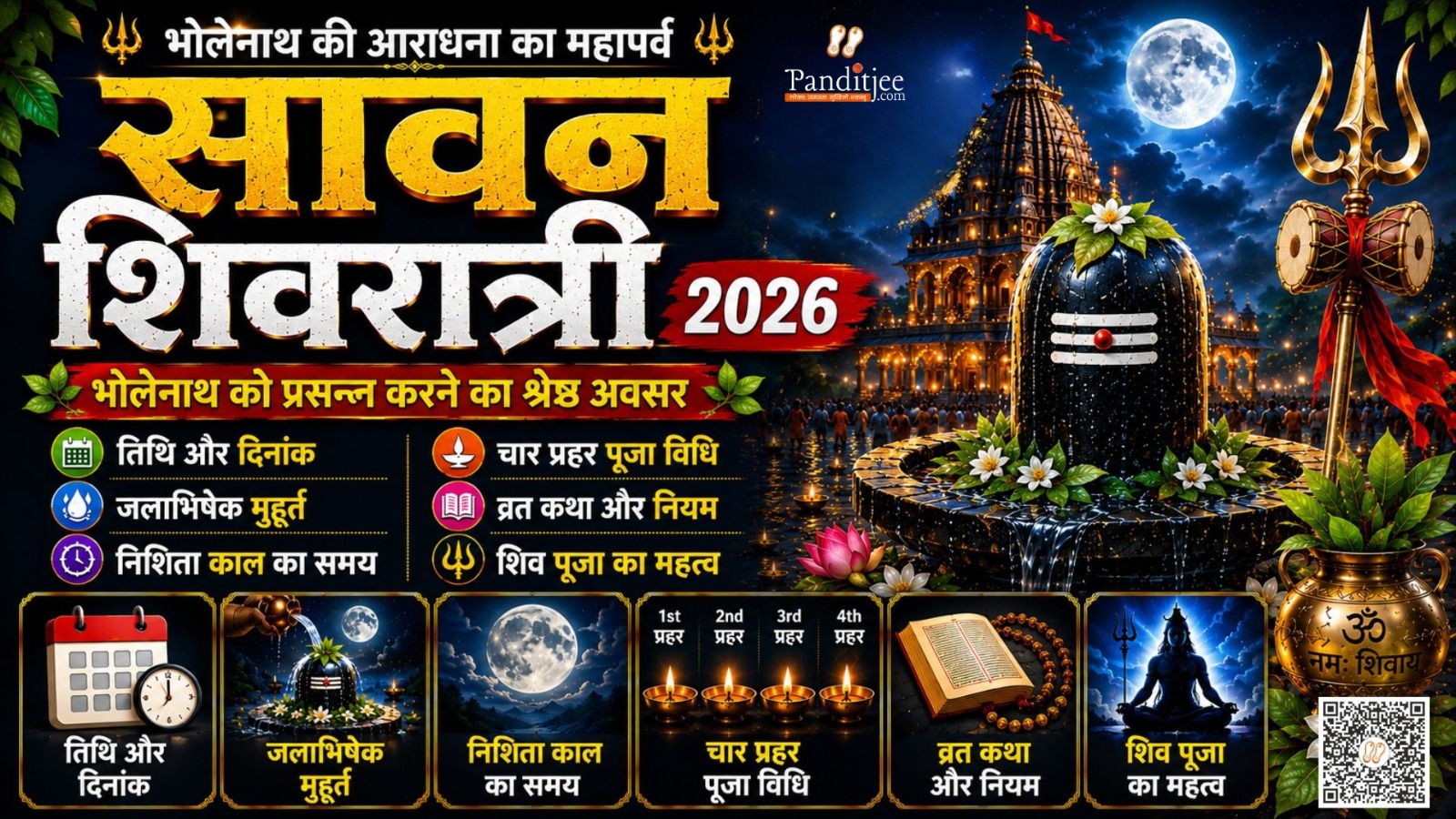
Sawan Shivratri 2026: Why This Sacred Night is Important, Know Date, Jalabhishek Muhurat, Nishita Kaal, Four Prahar Puja, Vrat Katha and Shiva Worship


Sawan Shivratri is one of the most spiritually significant occasions during the holy month of Shravan, a period traditionally dedicated to Lord Shiva. While Maha Shivratri is regarded as the most prominent Shiva festival of the year, Sawan Shivratri carries its own deep religious importance because it falls during the month that is believed to be especially dear to Mahadev. On this sacred night, devotees observe fasting, visit Shiva temples, perform Jalabhishek and Rudrabhishek, chant “Om Namah Shivaya” and remain awake during the night to offer prayers during the four Prahars.
In 2026, Sawan Shivratri will be observed on Tuesday, August 11. The festival falls during the Krishna Paksha Chaturdashi of Shravan Maas. Devotees across India are expected to gather at Shiva temples from the early hours of the day to offer holy water, milk, Bel Patra, flowers and other traditional offerings to the Shivling. The spiritual atmosphere becomes particularly intense after sunset as devotees begin preparations for the night-long worship, culminating in the sacred Nishita Kaal.
Sawan Shivratri is not simply a day of fasting and temple visits. It is regarded as an opportunity for spiritual discipline, meditation and surrender. The night encourages devotees to turn inward, overcome negative tendencies and seek the blessings of Lord Shiva for peace, strength, health, wisdom and spiritual growth.
Sawan Shivratri 2026 Date and Timings
According to the Hindu Panchang, Sawan Shivratri 2026 will be observed on August 11, Tuesday. The Krishna Paksha Chaturdashi Tithi begins at approximately 4:54 AM on August 11 and continues until approximately 1:54 AM on August 12.
The Nishita Kaal Puja Muhurat will fall on August 12, from approximately 12:05 AM to 12:48 AM. This midnight period is considered especially sacred for Shiva worship. Devotees who cannot perform elaborate rituals throughout the night can focus their main worship during this period.
The exact timings for Jalabhishek and other rituals can vary according to location and local Panchang calculations, so devotees should check the timings applicable to their city before beginning the main worship.
Why is Sawan Shivratri Celebrated?
Sawan Shivratri is celebrated as an occasion to worship Lord Shiva during the sacred month of Shravan. Hindu tradition associates the month with several important stories and manifestations of Shiva Bhakti, making it a particularly powerful period for fasting, prayer and spiritual practices.
The festival represents devotion, self-control and surrender to Mahadev. The word Shivratri itself refers to the sacred night dedicated to Lord Shiva, and devotees believe that keeping vigil and worshipping Shiva during this night helps calm the mind and remove spiritual obstacles.
The importance of the festival becomes even greater because it falls during Sawan, when millions of devotees already undertake special Shiva worship, Kanwar Yatras and Monday fasts. Sawan Shivratri therefore becomes one of the spiritual high points of the entire month.
The Samudra Manthan Story Behind Sawan Shiva Worship
One of the most important legends associated with Lord Shiva’s worship during Shravan is the story of Samudra Manthan, the churning of the cosmic ocean by the Devas and Asuras.
According to Hindu scriptures, the churning was undertaken to obtain Amrit, the divine nectar of immortality. However, before the nectar emerged, a deadly poison known as Halahala appeared from the ocean. Its destructive power threatened the existence of the entire creation.
The Devas and Asuras were unable to contain the poison and approached Lord Shiva for protection. Out of compassion for all living beings, Mahadev consumed the poison and held it in His throat. His throat turned blue because of its deadly effect, and He came to be revered as Neelkanth.
According to traditional belief, the heat and intensity of the poison were reduced when sacred water was offered to Lord Shiva. This story is closely associated with the tradition of Jalabhishek, which remains one of the most important rituals performed during Sawan.
Every pot of water offered to the Shivling during Sawan therefore represents devotion, gratitude and remembrance of Shiva’s sacrifice for the protection of creation.
Sawan Shivratri 2026 Jalabhishek Muhurat
Jalabhishek is at the heart of Sawan Shivratri worship. Devotees offer Gangajal or pure water over the Shivling while chanting Shiva mantras and seeking Mahadev’s blessings.
According to the timings provided for Sawan Shivratri 2026, the Chaturdashi period begins at 4:54 AM on August 11 and continues until 1:54 AM on August 12. Devotees can perform Shiva Abhishek during the auspicious Chaturdashi period, with the midnight Nishita Kaal considered particularly significant.
The offering is traditionally made slowly and with devotion rather than hurriedly. After Jalabhishek, devotees offer Bel Patra, flowers, sandalwood and other sacred items while reciting “Om Namah Shivaya”.
Nishita Kaal Puja During Sawan Shivratri
The midnight period known as Nishita Kaal holds special significance in Shivratri worship. In 2026, the Nishita Kaal is expected to be from approximately 12:05 AM to 12:48 AM on August 12.
The stillness of the midnight hour is considered especially suitable for meditation and Shiva Sadhana. Devotees traditionally use this period to perform an elaborate Abhishek, chant Shiva mantras, offer Bilva leaves and meditate upon the divine form of Mahadev.
For many spiritual seekers, Nishita Kaal is not simply an auspicious time on the clock but a symbolic period of inner silence, when the mind can turn away from worldly distractions and focus completely on the Divine.
Four Prahar Puja on Sawan Shivratri 2026
The traditional Shivratri observance includes worship during four Prahars of the night. Each Prahar represents another opportunity to remember Lord Shiva through Abhishek, mantra chanting, meditation and prayer.
For Sawan Shivratri 2026, the approximate four Prahar timings are 7:04 PM to 9:45 PM for the first Prahar, 9:45 PM to 12:26 AM for the second Prahar, 12:26 AM to 3:07 AM for the third Prahar, and 3:07 AM to 5:49 AM for the fourth Prahar.
Devotees who observe the complete night vigil perform separate worship during each Prahar. Those unable to remain awake throughout the night can perform the main Puja during Nishita Kaal and offer prayers according to their personal capacity and family tradition.
Sawan Shivratri Puja Vidhi
The observance generally begins with an early morning bath followed by a Sankalp, in which the devotee resolves to observe the fast and worship Lord Shiva with devotion. The home temple or Puja space is cleaned and the Shivling is placed or purified before beginning the Abhishek.
The Shivling is first offered pure water or Gangajal, followed by Panchamrit consisting traditionally of milk, curd, honey, ghee and sugar. Bel Patra, white flowers, sandalwood, Dhatura and other traditional offerings can then be presented according to family and regional customs.
Devotees chant “Om Namah Shivaya”, the Mahamrityunjaya Mantra, Shiv Chalisa, Rudrashtakam or Shiva Tandava Stotram. In the evening, devotees may listen to or recite the Sawan Shivratri Vrat Katha before performing Shiva Aarti.
As midnight approaches, the focus shifts towards Nishita Kaal Puja and the four Prahar worship. Many devotees also observe Jagran by spending the night in meditation, bhajan, Kirtan and Shiva Naam Sankirtan.
Sawan Shivratri Vrat Rules and Spiritual Discipline
Fasting is an important part of Sawan Shivratri, although the nature of the fast varies according to individual capacity and family tradition. Some devotees observe a strict Nirjala Vrat, while others consume fruits, milk, water and other permitted Sattvic foods.
The deeper purpose of the fast is self-control rather than physical hardship. Devotees are encouraged to avoid anger, dishonesty, unnecessary arguments and negative thoughts while dedicating the day to prayer and spiritual reflection.
Children, elderly people, pregnant women and individuals with health concerns should not undertake extreme fasting and should follow an appropriate Sattvic diet according to their circumstances.
What Should Be Offered to Lord Shiva on Sawan Shivratri?
Devotees traditionally offer Gangajal, pure water, milk, curd, honey, ghee, Bel Patra, Dhatura, white flowers and sandalwood to Lord Shiva. Bel Patra has a particularly important place in Shiva worship and is offered with the belief that it pleases Mahadev.
The most important element of the offering, however, is devotion. Sanatan tradition repeatedly emphasises that Lord Shiva is pleased by sincere Bhakti rather than material grandeur. A simple offering made with a pure heart can carry greater spiritual meaning than an elaborate ritual performed without devotion.
Most Important Shiva Temples During Sawan Shivratri
Sawan Shivratri brings millions of devotees to Shiva temples throughout India. Kashi Vishwanath Temple in Varanasi becomes one of the most prominent centres of Shiva worship, while Mahakaleshwar Temple in Ujjain is renowned for its special rituals and Bhasma Aarti.
Kedarnath, one of the most sacred Jyotirlingas in the Himalayas, also holds extraordinary significance during the Shravan season. Somnath Temple in Gujarat and Baidyanath Jyotirlinga in Deoghar are also major pilgrimage destinations during Sawan, particularly for devotees undertaking the Kanwar Yatra.
However, visiting a famous temple is not essential for receiving Shiva’s grace. Devotees can perform sincere worship at home, because the essence of Shiv Bhakti lies in faith, discipline and surrender rather than the location of the ritual.
The Spiritual Significance of Sawan Shivratri
The deeper meaning of Sawan Shivratri lies in the journey from darkness towards consciousness. Lord Shiva represents stillness, detachment, compassion and the destruction of ignorance. The night-long vigil encourages devotees to remain spiritually awake while the rest of the world sleeps.
Fasting disciplines the body, chanting steadies the mind and meditation turns awareness inward. Jalabhishek represents surrender, while the offering of Bel Patra symbolises devotion and reverence. Together, these practices create an opportunity for devotees to examine their thoughts, actions and priorities.
The story of Neelkanth Mahadev also offers a profound lesson for modern life. Shiva’s willingness to bear the poison of the universe represents sacrifice, courage and compassion. It reminds devotees that difficult circumstances should be faced with patience and inner strength rather than allowing negativity to spread.
Sawan Shivratri 2026, to be observed on Tuesday, August 11, offers devotees a sacred opportunity to deepen their relationship with Lord Shiva through fasting, Jalabhishek, Rudrabhishek, mantra chanting, meditation and night-long worship. The Nishita Kaal between approximately 12:05 AM and 12:48 AM on August 12 will be a particularly significant period for Shiva Puja, while the traditional four Prahar worship allows devotees to dedicate the entire night to Mahadev.
The true essence of Sawan Shivratri lies beyond ritual alone. It is a night of surrender, inner silence and spiritual awakening. By remembering the compassion of Neelkanth Mahadev, devotees are encouraged to cultivate patience, humility, courage and devotion in their own lives. As millions of voices come together in the chant of “Har Har Mahadev”, the sacred night becomes a reminder that the path to inner peace begins with faith, self-discipline and complete surrender to the Divine.
For authentic and comprehensive information on Sanatan Dharma, Hindu festivals, vrat and fasting traditions, pooja rituals, Panchang, Vedic astrology, temples, devotional practices, and timeless spiritual wisdom, download the Panditjee.com App. Explore trusted guidance from Vedic traditions, connect with experienced priests, and enrich your spiritual journey with reliable knowledge rooted in India’s eternal heritage.